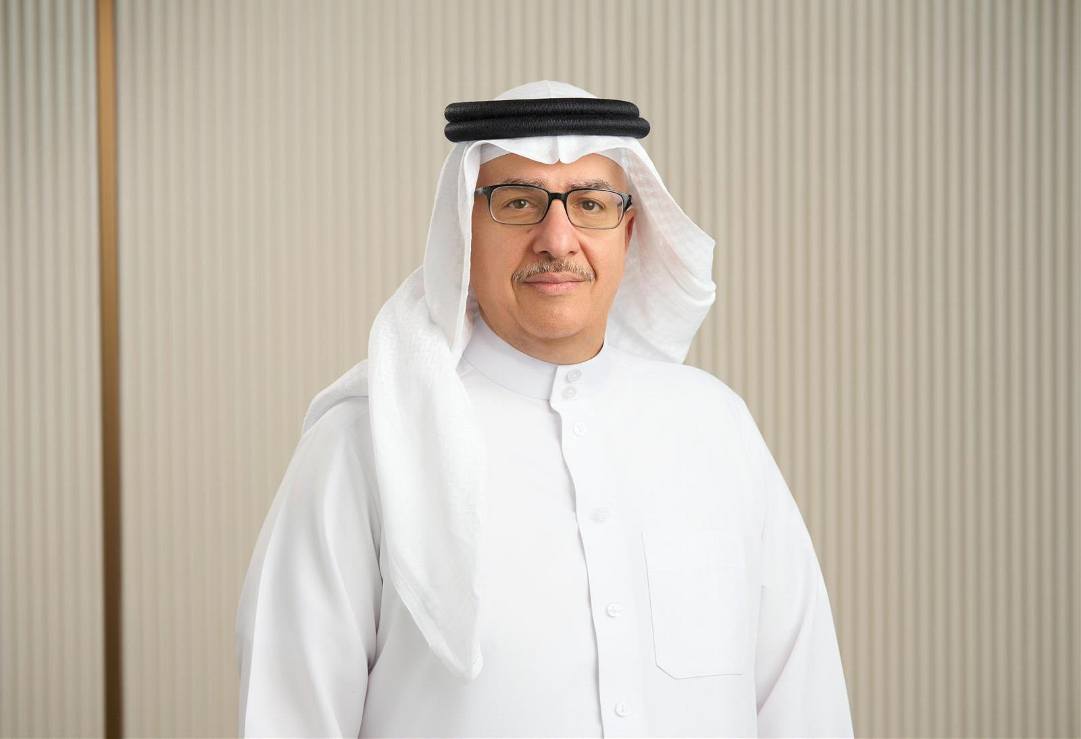
Kanoo said the Forum and Exhibition brings together manufacturers, investors, business owners, financial institutions and government entities, creating opportunities to turn industrial cooperation into practical partnerships and projects, strengthen production and supply-chain links across GCC countries, and identify investment opportunities in priority industrial sectors.
He noted that GCC countries possess significant economic and industrial assets, including energy and natural resources, minerals, financial resources, advanced infrastructure, ports and logistics services, alongside large markets with strong purchasing power and growth potential. He stressed that greater economic value can be generated by integrating these resources and leveraging the comparative and competitive advantages of each country.
He explained that industrial integration should not involve duplicating projects and production capacities across the region, but rather developing complementary capabilities, resources, inputs and services, with production stages distributed according to each country’s competitive strengths. This would improve efficiency, increase value added and establish Gulf value chains capable of competing globally.
Kanoo emphasised that industry is a key driver of economic diversification, investment and job creation, while supporting exports and linking a wide range of economic activities to production. He highlighted the importance of expanding value-added, manufacturing and engineering industries, as well as advanced technologies, alongside greater investment in innovation, digital transformation and industrial technology.
He said the next phase should focus on expanding joint industrial investment and encouraging the establishment of Gulf companies and alliances capable of achieving economies of scale, increasing production capacity and developing products for international markets. He noted that the GCC market provides a strong foundation for companies to grow before expanding globally.
Kanoo stressed the importance of placing the private sector at the centre of industrial development by improving access to investment opportunities, projects and supply chains, strengthening its participation in economic and industrial initiatives, and addressing barriers to expansion across GCC markets.
He also highlighted the need to ensure that SMEs benefit from this development by connecting them with major companies and manufacturers and integrating them into industrial value chains. This would provide access to wider markets, support growth and encourage improvements in product quality and technological capabilities, enabling SMEs to expand beyond their domestic markets.
He emphasised that this requires a more integrated GCC business environment, including greater alignment of industrial standards, specifications and procedures, as well as facilitating the movement of raw materials, production inputs, products, investments and expertise across the region. These measures would reduce business costs, improve supply-chain efficiency and enhance the GCC’s attractiveness to high-quality industrial investment.
Kanoo added that interconnected GCC databases covering manufacturers, suppliers, industrial opportunities and future projects could help investors identify opportunities, strengthen Gulf content in supply chains, facilitate business-to-business cooperation and identify production gaps suitable for private-sector investment.